
Easter Bible verses proclaim the resurrection of Jesus Christ, His victory over death, and the hope of eternal life. Central passages such as Matthew 28:5–6, Luke 24:6–7, John 11:25–26, and 1 Corinthians 15:3–4 explain that Jesus died for sins, was buried, and rose again. For Christians, Easter celebrates the foundation of faith and the promise of resurrection and new life.
Easter is the heart of the Christian story because it celebrates the resurrection of Jesus Christ. The empty tomb is not merely a symbol of optimism; in the New Testament, it is presented as God’s decisive act of raising Jesus from the dead.
The Easter message brings together several major biblical themes: salvation, forgiveness, grace, redemption, faith, hope, eternal life, victory over death, God’s promises, and new creation.
Whether you are preparing an Easter sermon, Bible study, Sunday school lesson, church service, devotional, social media post, or personal time of prayer, these Easter Bible verses can help you explore what Scripture actually teaches about the resurrection.
Key Takeaways
- Easter celebrates the resurrection of Jesus Christ.
- The resurrection is central to the Christian gospel.
- Jesus’ death is connected with forgiveness and salvation.
- His resurrection demonstrates victory over death.
- Scripture connects resurrection with Christian hope and eternal life.
- The Old Testament provides important background for understanding resurrection and redemption.
- Easter calls believers toward faith, worship, obedience, compassion, and transformed living.
- Christian hope is ultimately rooted in Christ rather than circumstances.
- The resurrection gives believers reason to live with courage and purpose.
- Easter is both a celebration of what God has done and an invitation to trust Him.
What Does the Bible Say About Easter?
The Bible does not use the modern Christian holiday framework in exactly the same way churches observe Easter today. Instead, the New Testament records the death, burial, resurrection, and appearances of Jesus Christ. These events form the foundation of the Christian gospel.
The earliest Christian preaching emphasized that Christ died for sins, was buried, was raised, and appeared to His followers.
1 Corinthians 15:3–4 — The Gospel in Summary
Paul writes that Christ died for sins according to Scripture, was buried, and was raised on the third day.
Context: The apostle Paul wrote 1 Corinthians to address problems within the church at Corinth. In chapter 15, he explains the importance of bodily resurrection.
Meaning: Christianity is not based simply on Jesus’ ethical teachings. The death and resurrection of Christ are fundamental to the gospel.
Life lesson: Easter invites Christians to build their faith on God’s saving work rather than on temporary circumstances.
Romans 10:9
Paul connects Christian confession with believing that God raised Jesus from the dead.
Theological significance: Resurrection faith is inseparable from Christian confession of Jesus as Lord.
Application: Easter is an opportunity to examine whether faith is merely cultural or genuinely rooted in trust in Christ.
The Empty Tomb and the Morning That Changed Everything

7
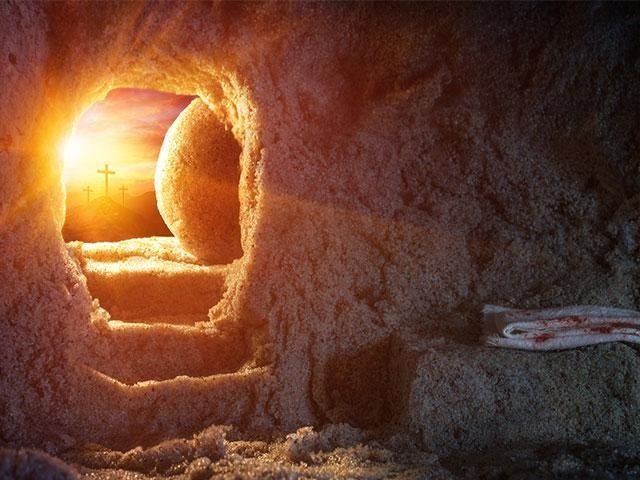
The Gospel accounts describe women discovering that Jesus’ tomb was empty. The resurrection narratives differ in certain details of presentation, but they consistently proclaim the same central event: Jesus was no longer in the tomb because He had risen.
Matthew 28:5–6
The angel tells the women not to fear because Jesus, who was crucified, has risen.
Context: Matthew presents the resurrection following Jesus’ crucifixion and burial.
Meaning: The resurrection reverses the apparent finality of death.
Application: Fear does not have to have the last word when Christians trust the risen Christ.
Mark 16:6
The angel announces that Jesus has risen and is not in the tomb.
Historical setting: Mark’s Gospel reaches its resurrection announcement after describing Jesus’ crucifixion and burial.
Life lesson: God’s work may begin precisely where human beings believe a story has ended.
Luke 24:5–6
The women are asked why they seek the living among the dead.
Meaning: The question captures the dramatic contrast of Easter: Jesus is alive.
Application: Christians are encouraged to look for God’s life-giving work rather than becoming permanently defined by despair.
John 20:1
Mary Magdalene discovers that the stone has been removed from the tomb.
John subsequently describes encounters between the risen Jesus and His disciples.
Life lesson: The resurrection transformed the grief and confusion of Jesus’ followers into proclamation and hope.
Jesus’ Own Teaching About Resurrection and Life
The resurrection did not appear without preparation in Jesus’ ministry. The Gospels record several occasions when Jesus spoke about death, resurrection, eternal life, and His authority over death.
John 11:25–26 — “I Am the Resurrection and the Life”
Jesus tells Martha that He is the resurrection and the life and that those who believe in Him will live.
Context: Lazarus had died, and Martha was grieving. Jesus’ statement occurs immediately before Lazarus is raised.
Theological meaning: Jesus does not merely provide resurrection; He presents Himself as the source of resurrection life.
Application: Christians can bring grief, uncertainty, and fear before Christ while trusting His authority over death.
John 14:19
Jesus tells His disciples that because He lives, they will live also.
Meaning: The future hope of believers is connected to the living Christ.
Life lesson: Christian hope is personal because it rests on relationship with Jesus.
Matthew 16:21
Jesus begins explaining to His disciples that He must suffer, be killed, and be raised.
Context: Jesus’ prediction demonstrates that the cross and resurrection were not accidental developments.
Application: God’s purposes can look confusing before they become clear.
Old Testament Foundations Behind the Easter Story
The resurrection story belongs to the larger biblical narrative. While the Old Testament does not provide a single Christian Easter narrative, it contains themes and passages that Christians have historically understood as pointing toward God’s ultimate victory over death and His redemptive purposes.
Psalm 16:10
David speaks of God not abandoning him to the realm of the dead or allowing God’s holy one to see decay.
Peter later applies this passage to Jesus in Acts 2.
Meaning: Early Christian preaching interpreted Psalm 16 as significant for understanding Christ’s resurrection.
Isaiah 53:5
Isaiah describes the suffering servant as wounded because of human transgressions.
Context: Isaiah 53 belongs to a larger section describing God’s servant and redemptive suffering.
Easter connection: Christians understand Jesus’ crucifixion through the lens of sacrificial suffering described in this passage.
Life lesson: God’s redemption can emerge through suffering in ways human beings do not immediately understand.
Isaiah 53:10–11
The servant’s suffering is followed by vindication and seeing the fruit of his work.
Theological importance: The passage contributes to the biblical framework through which Christians understand the suffering and subsequent triumph of Christ.
Hosea 6:2
Hosea uses resurrection-like imagery in speaking about restoration.
Important distinction: The immediate context concerns Israel’s restoration rather than directly narrating Jesus’ resurrection. Nevertheless, the language contributes to the broader biblical vocabulary of death, restoration, and renewed life.
Easter Bible Verses About Salvation and Forgiveness
The resurrection cannot be separated from the cross. Easter celebrates the risen Christ, but the New Testament presents His resurrection alongside His sacrificial death.
| Scripture | Central Theme | Easter Lesson |
| Romans 4:25 | Justification | Christ’s death and resurrection belong together |
| Romans 5:8 | God’s love | Christ died for sinners |
| Ephesians 1:7 | Redemption | Forgiveness comes through Christ |
| Colossians 1:13–14 | Deliverance | Christ brings believers from darkness into redemption |
| 1 Peter 2:24 | Sin and healing | Christ bore sins on the cross |
| Acts 4:12 | Salvation | Salvation is centered on Jesus |
Romans 4:25
Paul says Jesus was delivered over because of our trespasses and raised for our justification.
Meaning: Paul holds Christ’s death and resurrection together as essential aspects of God’s saving work.
Application: Easter should lead not only to celebration but also gratitude for God’s grace.
Romans 5:8
God demonstrates His love through Christ dying for sinners.
Context: Paul emphasizes God’s initiative in salvation.
Life lesson: Christian assurance begins with God’s love rather than human perfection.
Ephesians 1:7
Paul describes redemption and forgiveness through Christ.
Application: Easter can become an occasion to release guilt, seek God’s forgiveness, and extend forgiveness to others.
Colossians 1:13–14
Paul describes believers as delivered from darkness and receiving redemption and forgiveness.
Meaning: Salvation involves a change of spiritual allegiance and identity.
Resurrection Hope When Life Feels Broken
Easter has special meaning for people experiencing grief, disappointment, loneliness, or uncertainty because Scripture presents resurrection as God’s answer to the apparent finality of death.
1 Peter 1:3
Peter praises God for giving believers new birth into a living hope through the resurrection of Jesus Christ.
This is one of the clearest Easter hope verses.
Meaning: Christian hope is described as “living” because its foundation is the living Christ.
Application: Hope does not require pretending that suffering is painless. It means trusting God while suffering remains real.
Romans 8:11
Paul teaches that the Spirit of God who raised Jesus gives life to believers.
Theological meaning: Resurrection is connected not only with Christ’s past victory but also with the Holy Spirit’s present work.
Life lesson: Christian transformation is ultimately God’s work within believers.
2 Corinthians 4:14
Paul expresses confidence that God, who raised Jesus, will also raise believers.
Application: Easter reminds Christians that death is not understood as the final destination of those who belong to Christ.
Revelation 21:4
John describes a future in which death, mourning, crying, and pain are no more.
Context: Revelation presents a vision of God’s ultimate renewal.
Easter connection: The resurrection points forward to the final defeat of death.
Easter Verses About Faith and Trusting God
Resurrection faith is not simply agreeing that an event happened. Biblical faith involves trusting God and responding to His revelation.
John 20:29
Jesus speaks about those who believe without seeing.
Context: Jesus says this to Thomas after appearing to His disciples.
Meaning: Thomas’ story acknowledges the human desire for evidence while highlighting the blessing of faith.
Application: Christians can bring honest questions to God while continuing to seek truth.
Romans 10:17
Paul says faith comes through hearing the message of Christ.
Life lesson: Growing faith requires continued exposure to Scripture and the gospel.
Hebrews 11:1
Faith is described in terms of confidence concerning hoped-for things and conviction concerning unseen realities.
Application: Christian faith does not mean refusing evidence; it means trusting God’s promises even when their fulfillment is not yet visible.
Easter Scriptures About Peace After Fear
The first Easter followers experienced fear, confusion, and uncertainty. The risen Jesus repeatedly met His disciples with peace.
John 20:19
Jesus appears to His disciples and says, “Peace be unto you.”
Context: The disciples were gathered behind closed doors because they were afraid.
Meaning: The risen Christ enters a fearful situation with reassurance.
Application: When anxiety overwhelms you, bring your concerns to God through prayer rather than allowing fear to dictate every decision.
Philippians 4:6–7
Paul teaches believers to bring their requests to God with prayer and thanksgiving, followed by God’s peace.
Meaning: Biblical peace is connected with dependence upon God.
Practical exercise: During Easter week, write down three worries and turn each one into a specific prayer.
John 16:33
Jesus tells His disciples that they can have peace in Him despite trouble in the world.
Life lesson: Christian peace does not depend upon a trouble-free life.
What the Resurrection Means for Christian Identity
The resurrection changes how Christians understand themselves.
2 Corinthians 5:17
Paul describes those who are in Christ as a new creation.
Meaning: Christianity involves transformation rather than simply adopting religious information.
Application: Easter is an excellent time to ask:
- What attitudes need to change?
- What sinful patterns should I surrender?
- Where is God calling me to grow?
- How can I show Christ’s love more clearly?
Galatians 2:20
Paul describes his life as being centered on Christ.
Theological significance: Union with Christ reshapes Christian identity and priorities.
Colossians 3:1–3
Paul urges believers to seek things above because they have been raised with Christ.
Life lesson: Resurrection should affect everyday behavior, priorities, relationships, and values.
Easter and the Promise of Eternal Life
One of the greatest themes surrounding the resurrection is eternal life.
John 3:16
Jesus explains God’s love and the promise of eternal life for those who believe in Him.
Context: Jesus speaks with Nicodemus about new birth and God’s saving purpose.
Meaning: Eternal life is grounded in God’s love and received through faith.
John 6:40
Jesus connects belief in Him with resurrection on the last day.
Application: Christian hope extends beyond present circumstances toward God’s future promise.
1 John 5:11–12
John teaches that eternal life is found in God’s Son.
Life lesson: Easter directs attention toward a relationship with Christ rather than merely a religious holiday.
The Apostles’ Message: Why the Resurrection Was Essential
After Jesus’ resurrection, the apostles repeatedly proclaimed it publicly.
Acts 2:24
Peter declares that God raised Jesus because death could not hold Him.
Context: This occurs during Peter’s Pentecost sermon in Jerusalem.
Historical importance: The resurrection was central to the earliest Christian proclamation.
Acts 3:15
Peter calls Jesus the author of life and declares that God raised Him from the dead.
Application: Christian preaching should keep Jesus at the center rather than making Easter primarily about seasonal traditions.
Acts 17:30–31
Paul teaches in Athens that God has appointed a future judgment and given assurance through raising Jesus.
Meaning: Resurrection has ethical consequences. If Jesus is Lord and God will judge the world, human beings are called to repentance.
1 Corinthians 15:20–22
Paul calls Christ the “firstfruits” of those who have died.
Meaning: Christ’s resurrection is presented as the beginning of a larger resurrection hope for those who belong to Him.
Easter Bible Verses for Love, Compassion, and Christian Living
The resurrection should produce transformed relationships, not merely Easter attendance.
John 13:34–35
Jesus commands His disciples to love one another and says their love will identify them as His disciples.
Application: One practical response to Easter is to become more patient, forgiving, generous, and compassionate.
Colossians 3:12–14
Paul calls Christians to compassion, kindness, humility, gentleness, patience, forgiveness, and love.
Life lesson: Resurrection faith should become visible through character.
Ephesians 4:32
Paul encourages believers to be kind, compassionate, and forgiving.
Easter application: Because Christians celebrate God’s grace and forgiveness, they are called to extend grace toward others.
Micah 6:8
The prophet calls God’s people to act justly, love mercy, and walk humbly with God.
Context: Micah challenges empty religious practice.
Meaning: Biblical worship cannot be separated from righteous living.
A Quick Easter Scripture Guide for Different Needs
| Situation | Bible Verse | Key Lesson |
| Grief | John 11:25–26 | Jesus is the resurrection and life |
| Fear | John 20:19 | Christ brings peace |
| Guilt | Ephesians 1:7 | Christ provides redemption and forgiveness |
| Hopelessness | 1 Peter 1:3 | Resurrection creates living hope |
| Anxiety | Philippians 4:6–7 | Bring concerns to God |
| Weakness | 2 Corinthians 12:9 | God’s grace is sufficient |
| Need for courage | Romans 8:31 | God is for His people |
| Doubt | John 20:27–29 | Jesus meets Thomas with truth and grace |
| Purpose | Colossians 3:1–3 | Set your life toward Christ |
| Salvation | Romans 10:9 | Believe and confess Christ |
| Eternal hope | 1 Corinthians 15:20–22 | Christ’s resurrection points toward resurrection |
| Christian love | John 13:34–35 | Follow Christ through sacrificial love |
What Easter Teaches Us About God’s Grace
Grace is one of the most important theological themes connected with the gospel.
Ephesians 2:8–9
Paul teaches that salvation is by grace through faith and is not something people earn through works.
Meaning: Salvation is God’s gracious gift.
Application: Easter should produce humility rather than spiritual pride.
Titus 2:11–12
Paul explains that God’s grace trains believers to live differently.
Important insight: Grace is not permission to remain unchanged. Biblical grace produces transformed living.
Romans 6:4
Paul connects baptism with being buried with Christ and raised to newness of life.
Life lesson: The resurrection points Christians toward a new way of living.
How Christians Can Apply Easter Bible Verses Today
The resurrection becomes especially meaningful when it moves from Scripture reading into daily practice.
1. Begin the day with resurrection hope
Read 1 Peter 1:3 and thank God for the living hope believers have through Christ.
2. Pray through personal fears
Use John 20:19 as a reminder to bring fear before the risen Jesus.
3. Practice forgiveness
Reflect on Ephesians 1:7 and Ephesians 4:32. Ask God to help you receive grace and extend it.
4. Serve someone quietly
Easter faith should become visible through compassion. Help someone without expecting recognition.
5. Study the resurrection narratives
Read Matthew 28, Mark 16, Luke 24, and John 20–21. Compare their accounts carefully rather than relying only on a single Easter tradition.
6. Share the gospel respectfully
The resurrection is central to Christian proclamation. Share what Christ means to you without treating another person’s questions dismissively.
A Simple Easter Bible Study Plan
If you want to study Easter Scripture personally or with a church group, consider this five-day plan:
Day 1 — The Cross: Read Isaiah 53 and Romans 5:6–11.
Reflection: What does Christ’s sacrifice reveal about God’s love?
Day 2 — The Tomb: Read Matthew 27:57–66 and Matthew 28:1–10.
Reflection: What changes when the tomb is discovered empty?
Day 3 — The Risen Christ: Read Luke 24.
Reflection: How did Jesus restore hope to His followers?
Day 4 — Resurrection Hope: Read 1 Corinthians 15.
Reflection: Why does Paul’s understanding of resurrection matter for Christian faith?
Day 5 — New Life: Read Colossians 3:1–17.
Reflection: What should change in the life of someone who belongs to the risen Christ?
Easter Prayer for Resurrection Hope
Heavenly Father, thank You for sending Jesus Christ and for the hope revealed through His resurrection. Help us understand the gospel with humility and faith. When we face fear, remind us of Your presence. When we experience grief, strengthen our hope. When we fall into sin, lead us toward repentance and grace. Teach us to live as people transformed by Christ, showing compassion, forgiveness, courage, and love. May the reality of the resurrection shape our worship, our relationships, and our daily decisions. In Jesus’ name, Amen.
Reflection Questions for Easter
Use these questions for personal devotion, family discussion, or a church Bible study:
- What does the resurrection of Jesus mean to your understanding of salvation?
- Which Easter Bible verse gives you the greatest hope?
- How does the resurrection change the way Christians view death?
- Where do you need God’s peace right now?
- Is there someone you need to forgive?
- What area of your life needs spiritual renewal?
- How can you demonstrate Christlike compassion this Easter?
- What does 1 Corinthians 15 teach about the importance of resurrection?
- How can you make Easter about Christ rather than only traditions?
- What practical change could demonstrate your faith this week?
Common Misunderstandings About Easter and Scripture
Is Easter only about Jesus’ resurrection?
The resurrection is central to Easter, but the biblical gospel connects it with Jesus’ incarnation, sinless life, crucifixion, burial, resurrection, ascension, and promised return.
Does the Bible tell Christians exactly how to celebrate Easter?
The New Testament records the resurrection but does not prescribe a universal modern Easter ceremony. Christian traditions differ concerning calendars, services, fasting, and cultural customs.
Are Easter traditions themselves biblical commands?
Not necessarily. Some traditions are later Christian practices rather than explicit biblical commands. Christians should distinguish between Scripture’s teaching and cultural traditions surrounding the holiday.
Does resurrection mean Christians will never experience suffering?
No. The New Testament openly acknowledges suffering. Resurrection means suffering and death do not have ultimate authority over God’s purposes.
12 Easter Bible Verses Worth Memorizing
If you want a concise collection for memorization, these passages capture major aspects of the Easter message:
- Matthew 28:6 — Jesus has risen.
- Mark 16:6 — The tomb is empty.
- Luke 24:6 — Remember Jesus’ resurrection promise.
- John 11:25 — Jesus is the resurrection and life.
- John 14:19 — Because Christ lives, His people have life.
- John 20:29 — Faith in the risen Christ.
- Acts 2:24 — Death could not hold Jesus.
- Romans 4:25 — Christ was raised for our justification.
- Romans 6:4 — Walk in newness of life.
- 1 Peter 1:3 — A living hope through resurrection.
- 1 Corinthians 15:20 — Christ is the firstfruits of resurrection.
- Revelation 21:4 — God’s ultimate victory over death and sorrow.
Frequently Asked Questions About Easter Bible Verses
1. What is the best Bible verse for Easter?
Matthew 28:6 is one of the clearest Easter passages because it directly announces Jesus’ resurrection. John 11:25, 1 Peter 1:3, and 1 Corinthians 15:20 are also especially meaningful because they explain the theological significance of resurrection.
2. What does the Bible say about Jesus rising from the dead?
The Gospels report that Jesus was crucified, buried, and raised on the third day. Matthew 28, Mark 16, Luke 24, and John 20–21 provide resurrection accounts, while Acts and Paul’s letters repeatedly proclaim the resurrection as central to Christian faith.
3. Why is the resurrection important to Christianity?
The resurrection is essential because the New Testament presents it as God’s vindication of Jesus and the foundation of Christian hope. Paul argues in 1 Corinthians 15 that without resurrection, Christian faith would be empty. Because Christ was raised, believers have hope of resurrection and eternal life.
4. Which Easter Bible verse is good for someone grieving?
John 11:25–26 is particularly meaningful because Jesus identifies Himself as “the resurrection and the life.” First Peter 1:3 is also powerful because it describes Christian hope as living hope through Jesus’ resurrection.
5. What Bible verse talks about the empty tomb?
Matthew 28:5–6, Mark 16:6, Luke 24:5–6, and John 20:1 all contribute to the biblical testimony concerning the empty tomb. Matthew and Mark explicitly record the announcement that Jesus had risen.
6. What does Easter teach Christians about hope?
Easter teaches Christians that God’s saving purposes are stronger than death. First Peter 1:3 describes believers as receiving living hope through Christ’s resurrection. Christian hope therefore rests on God’s action rather than temporary circumstances.
7. How can I use Easter Bible verses in prayer?
Choose a verse that addresses your present need, read it slowly, identify what it teaches about God, and turn its truth into prayer. For example, John 11:25 can lead to prayer about trusting Christ amid grief.
8. What Easter verse is suitable for children?
Matthew 28:6 is short, memorable, and directly communicates the central Easter message: Jesus is not in the tomb because He has risen. John 11:25 can also introduce children to the idea that Jesus is the source of resurrection life.
9. Does the Old Testament mention Jesus’ resurrection directly?
The Old Testament does not narrate Jesus’ resurrection as an event that had already occurred. However, passages such as Psalm 16:10 became important in early Christian interpretation, particularly in Peter’s Pentecost sermon in Acts 2.
10. How should Easter change a Christian’s daily life?
Easter should lead to deeper faith, gratitude, hope, repentance, compassion, forgiveness, worship, and obedience. Colossians 3:1–17 connects being raised with Christ to seeking transformed priorities and character.
Conclusion: Let the Resurrection Shape Your Hope
The deepest message within Easter Bible verses is not simply that Jesus’ tomb was empty. Scripture presents the resurrection as God’s powerful declaration that death does not have the final word and that Christ’s saving work is the foundation of Christian hope.
From the empty tomb in the Gospels to Paul’s teaching about resurrection in 1 Corinthians 15, the biblical testimony consistently points believers toward Jesus Christ. His resurrection connects the gospel’s themes of forgiveness, salvation, grace, redemption, eternal life, hope, and new creation.
For someone carrying grief, Easter offers hope. For someone struggling with guilt, the gospel points toward forgiveness. For someone facing fear, the risen Christ brings peace. For someone wondering whether life can truly change, Scripture speaks about newness of life in Christ.

James Anderson is a thoughtful Christian writer who enjoys exploring biblical teachings and sharing practical insights that help readers grow in faith and understand Scripture more deeply.
